
Health
Why You Have Foamy Urine, Foods To Avoid


Your bathroom habits can tell you a lot of about your health. If you have dark yellow or cloudy urine, you’re probably dehydrated, and if you ate certain food and drinks, including asparagus, beer, garlic and coffee, these may temporarily give urine a stronger smell. Certain medicines and vitamin and mineral supplements can also alter the odour of urine.But what about foamy urine? And if you notice bubbles in the toilet all of a sudden, is it a cause for concern?
Foamy urine is one of the many characteristics that can be seen in urine, and while it may be a typical occurrence or an indicator of a serious medical condition, it is important to determine the cause.
It is possible for pee to foam and still be regarded normal if the bladder is already full and the urine is striking the toilet or the wall at a rapid enough rate to cause the water to be agitated, giving the urine a foamy appearance as a result.
On the other hand, Dehydration (not drinking enough water) can also make your urine foamy. The more dehydrated someone is, the more concentrated their urine will be as their body tries to conserve water.
When you notice your pee is foamy, it is imperative that you are aware of some of the other symptoms that may accompany this condition so that you can be on the lookout for them.
These symptoms can include swelling in the hands, feet, face, and abdomen, nausea, vomiting, difficulty sleeping, hazy urine, weakness, lack of appetite, and dark-colored urine.
When an individual has foamy urine and any of these other symptoms are present, it may be an indication that you have a kidney disease.
Protein in the urine can also cause frothy urine. Both conditions-diabetes, which affects the body’s insulin levels; and hypertension can affect blood flow to the kidneys, impairing their function. This increased pressure causes stress, which leads to damage and protein in the urine.
Autoimmune conditions also put stress and strain on the kidneys, potentially causing enough damage to disrupt the filtering process.
If foamy urine is a onetime occurrence, there’s no need to worry. That said, if you notice foamy urine every time you use the bathroom or it persists for several days to a week, you definitely need to get it checked out and start treatment.
The treatment for foamy urine is determined on the underlying cause of it.
In addition, certain food people consume can cause kidney issues or damage. People who already have kidney issues, diabetes and hypertension are advised to consume with caution or at least in moderation.
These classes of foods are foods high in salt, meats and sausage, canned food, pastries which are capable of raising the level of sugar in the blood and high protein consumption.
In conclusion, you are not expected to stay away from these foods but healthy consumption of them can prevent health issues which are most likely to cause foamy urine.





Health
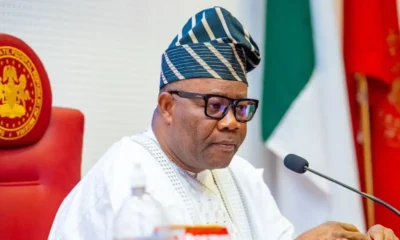
BREAKING: Senate President Akpabio Currently Hospitalised In London After Collapse, Misses Key Budget Session – Sources
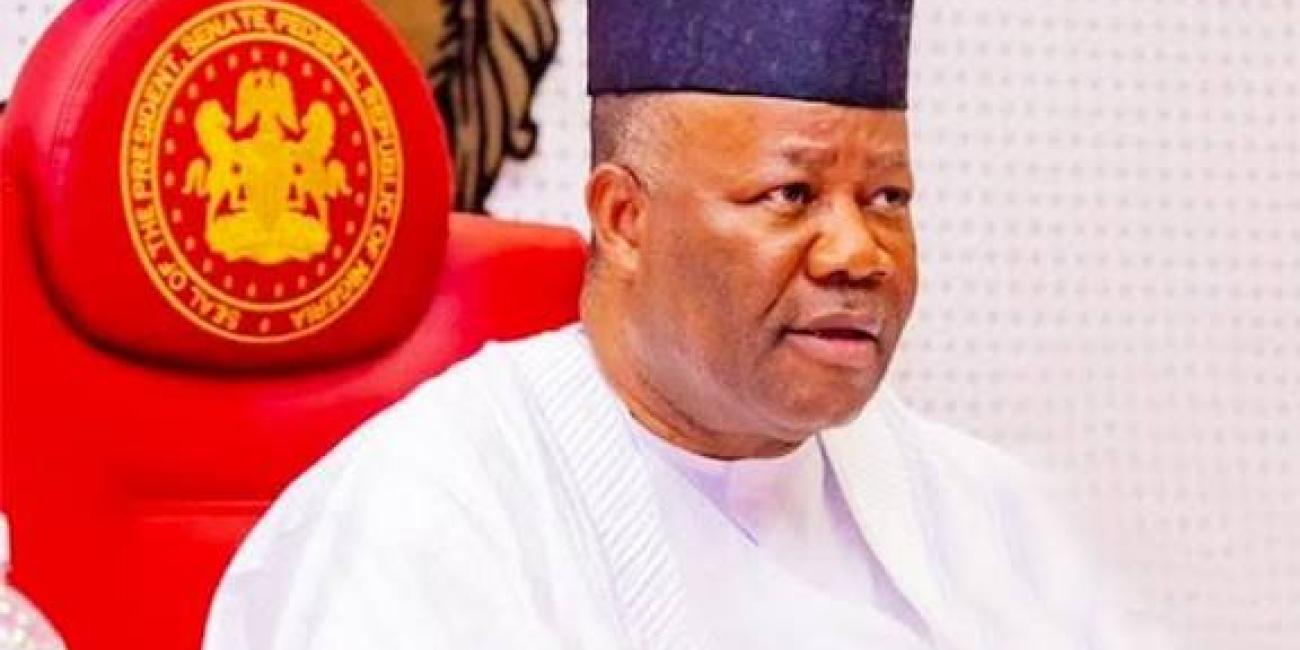
According to the sources, Akpabio “collapsed on the 10th of this month and was rushed to London in a private jet provided by billionaire businessman, Aliko Dangote.”
The Senate President, Godswill Akpabio, is currently ill and receiving medical treatment at a hospital in London, the United Kingdom, after reportedly collapsing earlier this month, top sources from the National Assembly have told Ekwutosblog.
According to the sources, Akpabio “collapsed on the 10th of this month and was rushed to London in a private jet provided by billionaire businessman, Aliko Dangote.”
The sources added that this development has kept the Senate President away from official duties, including the Medium Term Expenditure Framework (MTEF) and Fiscal Strategy Paper (FSP) interactive session held on Wednesday.
SaharaReporters was informed that Akpabio’s condition is serious enough to warrant continued overseas medical care.
A source disclosed that “this is the second time he is being rushed to London for treatment,” raising fresh concerns about his health and capacity to continue leading the upper legislative chamber.
Multiple senators are said to have travelled to London to check on him. One of the sources said, “A number of senators have gone to visit me,” in reference to Akpabio’s hospitalisation abroad.
The sources further revealed that medical experts attending to the Senate President have reportedly advised him to reduce his workload.
According to one of the briefings received by SaharaReporters, “Doctors are advising him to step down from the Senate to attend to his health.”
Akpabio’s absence was felt at the flag-off of the MTEF and FSP interactive session, a crucial engagement between the executive and the legislature that outlines Nigeria’s medium-term fiscal and economic plans.
SaharaReporters gathered that he “has already missed today’s Medium Term Expenditure Framework presentation today.”
In his stead, the Senate President was represented by Senator Onyekachi Nwaebonyi at the event, confirming Akpabio’s inability to attend the session in person.
Further indications of Akpabio’s condition emerged from aides monitoring developments around his return.
One source was quoted as saying, “One of the aides just told me now that they are going to pick the guy from the airport,” suggesting ongoing logistical arrangements around his movement.
Akpabio’s last public appearance appeared to be on December 9 when the Nigerian Senate formally approved President Bola Tinubu’s request to send Nigerian troops to the Republic of Benin to support efforts to restore peace and stability following an attempted coup.
Senate President, Godswill Akpabio, had announced the approval during the plenary, after lawmakers deliberated the request in the Committee of the Whole under section 5, Part II of the Constitution.
The Senators voted unanimously in favour, granting legislative backing for the regional security intervention.
Akpabio had described the decision as a critical move, emphasising that unrest in a neighbouring country poses risks to the entire West African region.
“An injury to one is an injury to all,” Akpabio had said, stressing Nigeria’s duty to support its ECOWAS partners in maintaining regional stability.
Health
Robotic surgeries now happening in many private hospitals in Nigeria- Muhammad Ali Pate, Minister Of Health & Social Welfare
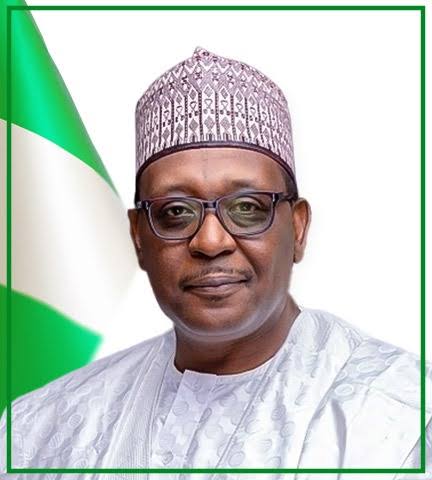
Nigeria’s healthcare sector just got a major boost! Minister of Health and Social Welfare, Muhammad Ali Pate, has announced that robotic surgeries are now being performed in several private hospitals across the country.
This marks a significant milestone in Nigeria’s medical landscape, positioning the country as a hub for advanced surgical care in West Africa.
The Toumai Pro Robotic Surgery Platform, recently launched at Nisa Premier Hospital in Abuja, is a game-changer. This state-of-the-art technology enables surgeons to perform complex procedures with enhanced precision, reducing recovery time and complications.
Some benefits of robotic surgery include:
Minimally invasive: Smaller incisions, less pain, and faster recovery
Increased precision: Enhanced dexterity and accuracy
Reduced complications: Lower risk of infection and bleeding
Hospitals like Nisa Premier Hospital, Kelina Hospital, and Lagoon Hospital are already offering robotic surgery services. This development is expected to attract medical tourism, boost Nigeria’s healthcare sector, and improve patient outcomes.
As Minister Pate puts it, “This is not just a milestone for Nigeria, but for the entire African continent”.
https://www.instagram.com/reel/DSRb0Q3DH71/?igsh=MXBscG4yY2dhOXBqZA==

A private hospital in Osun State has come under public attention following reports that it is detaining a newborn baby over an unpaid medical bill estimated at N700,000. The incident has generated public concern and renewed discussions about patients’ rights and medical ethics in Nigeria.
The case involves a young mother who reportedly experienced serious medical complications during childbirth, leading to extended hospital care for both her and the baby. After treatment was completed and the newborn was declared medically stable, the hospital allegedly refused to discharge the child, insisting that the outstanding bill must be settled first.
Sources say the family has already paid a significant amount for medical services but has been unable to raise the remaining balance due to financial hardship.
Relatives of the mother have appealed for understanding, stating that the continued stay of the newborn in the hospital has placed emotional and psychological strain on the family.
The hospital management is reported to have justified its position by pointing to past experiences where patients left without paying their medical bills. According to the management, unpaid debts affect the hospital’s ability to operate and provide services to other patients.
The situation has attracted criticism from members of the public and human rights advocates, who argue that holding patients, particularly newborns, over unpaid bills is unethical and contrary to basic human rights principles. Some legal observers have also suggested that such actions may conflict with existing laws and professional medical standards.
As public reaction continues to grow, there have been calls for the Osun State Government and relevant health authorities to step in, facilitate the release of the newborn, and address systemic issues that allow such incidents to occur.
The case has once again drawn attention to the broader challenges facing Nigeria’s healthcare system, especially the financial burden on families and limited access to affordable healthcare.

‘Buhari made other room joke on the wrong stage’ – Aisha

‘It’s a Lie’ —Akpabio denies claims he collapsed, hospitalised in London

Ooni Of Ife Installs Ghanaian President Mahama as Aare Atayeto Oodua (Photos)

-
Business1 year ago
US court acquits Air Peace boss, slams Mayfield $4000 fine
-

 Trending1 year ago
NYA demands release of ‘abducted’ Imo chairman, preaches good governance
-

 Politics1 year ago
Mexico’s new president causes concern just weeks before the US elections
-

 Politics1 year ago
Putin invites 20 world leaders
-

 Politics1 year ago
Russia bans imports of agro-products from Kazakhstan after refusal to join BRICS
-
Entertainment1 year ago
Bobrisky falls ill in police custody, rushed to hospital
-
Entertainment1 year ago
Bobrisky transferred from Immigration to FCID, spends night behind bars
-
Education1 year ago
GOVERNOR FUBARA APPOINTS COUNCIL MEMBERS FOR KEN SARO-WIWA POLYTECHNIC BORI